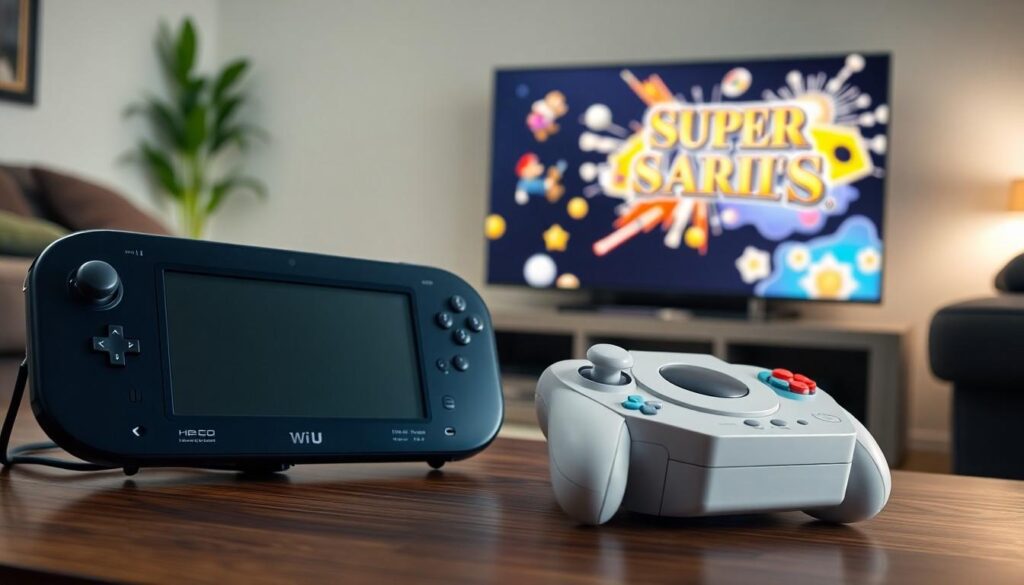
The Wii U and GameCube might seem like distant relatives in the gaming family tree, but they share more than just a fondness for quirky controllers. Picture this: a console that combines the nostalgia of classic gaming with the innovative features of modern technology. Intrigued? You should be!
Overview of Wii U GameCube
Wii U and GameCube showcase a strong connection in design and functionality. Both consoles highlight Nintendo’s commitment to innovation while paying homage to their gaming heritage. Controllers for each system exhibit unique designs, yet they retain similar button layouts. Familiar titles such as “Super Smash Bros.” and “The Legend of Zelda” span both platforms, enhancing the nostalgia factor.
Emulation plays a significant role in the Wii U’s capabilities, allowing gamers to access GameCube titles through the Virtual Console. Players benefit from enhanced graphics and performance improvements when playing classic games on the Wii U. Additionally, features like online multiplayer add a modern touch to longstanding favorites.
GameCube’s less conventional features include digital AV out ports, making it compatible with a variety of display setups. Wii U maintains this versatility, allowing seamless integration with HD displays and modern televisions. Enhancements in processing power give the Wii U an edge in performance over its predecessor.
GameCube’s compact design and unique discs contribute to its distinctiveness. Wii U, however, takes the design further with a more substantial form factor that houses additional hardware, including motion control features. Consumers appreciate the nostalgic appeal that GameCube brings while enjoying the advancements of Wii U.
Through this blend of nostalgic elements and modern technology, gamers experience a rich hybrid gaming environment. Both consoles celebrate Nintendo’s legacy while setting the stage for the future of gaming experiences. Engaging titles across both platforms ensure lasting enjoyment for fans of various gaming styles.
Key Features of Wii U GameCube
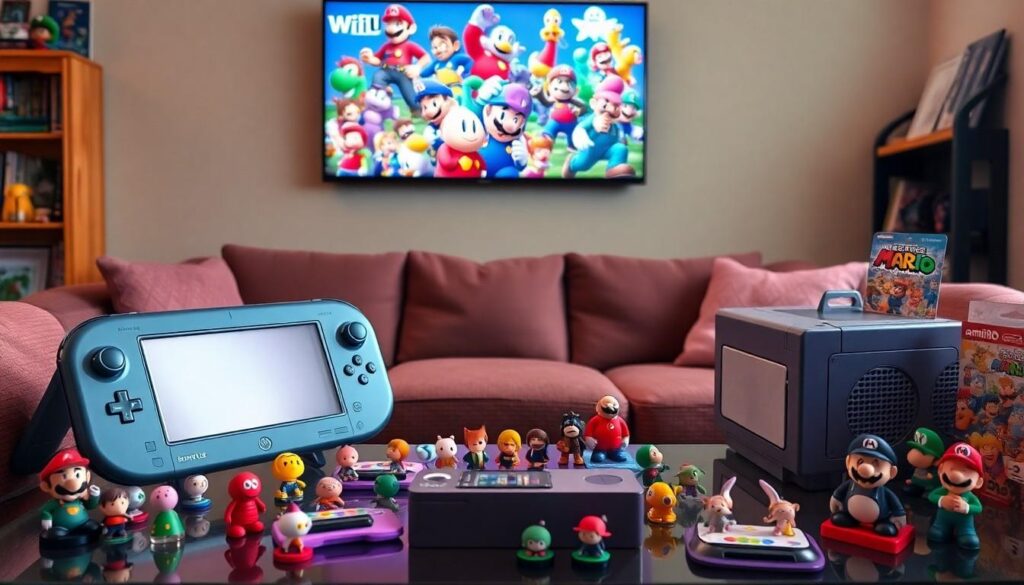
Both the Wii U and GameCube showcase impressive technological advancements that enhance gaming experiences. Their combined features highlight Nintendo’s dedication to integrating old-school charm with modern gaming demands.
Graphics and Performance
Graphics on the Wii U demonstrate significant improvements over the GameCube, providing higher resolution support. This transition leads to more vibrant colors and smoother animations, which enhance gameplay. The Wii U’s processing power allows for more complex in-game physics, making scenes feel more realistic. Furthermore, emulation of GameCube titles on the Wii U benefits from these upgrades, offering a refreshed visual experience. Players enjoy faster load times and improved frame rates, resulting in a more immersive gaming environment. The ability to play classic titles in HD offers a new perspective for fans and newcomers alike.
Game Library
The game library spans a vast collection of beloved franchises from both the Wii U and GameCube. Iconic titles like “Super Smash Bros.” and “The Legend of Zelda” continue to captivate audiences, showcasing their timeless appeal. The Wii U provides access to many GameCube classics through its Virtual Console, allowing players to relive their favorite moments. Additionally, various new releases for the Wii U expand the gaming offerings, appealing to diverse gaming preferences. This blend of nostalgia and innovation ensures that players find experiences tailored to both old and new tastes. Emphasis on multiplayer options further enhances accessibility, making gaming a communal activity for friends and family.
Comparing Wii U and GameCube
Wii U and GameCube showcase unique design philosophies and gaming experiences rooted in innovation. Both consoles reflect Nintendo’s dedication to user-friendly interfaces and engaging gameplay.
Design and User Interface
The Wii U features a tablet-like GamePad alongside conventional controllers, enhancing versatility. GameCube showcases a compact design with a notable handle for portability. Colorful aesthetics distinguish both systems, with the Wii U embracing a sleek black or white finish while GameCube brought vibrant colors. Enhanced navigation appears on the Wii U’s touch display, streamlining menu interactions. GameCube’s straightforward menu system appeals to gamers looking for simplicity. Textures and graphics display significantly higher resolution on the Wii U, contributing to a modern gaming experience. Overall, each console uniquely combines design and usability, catering to different preferences yet delivering an enjoyable interface.
Multiplayer Experience
Multiplayer gaming shines on both consoles, fostering camaraderie among players. The Wii U supports local and online multiplayer, allowing friends to join in seamlessly. GameCube, while lacking comprehensive online features, excelled in local multiplayer experiences with up to four players. Familiar titles like “Super Smash Bros.” thrive on both systems, enhancing competitive gameplay. The Wii U enriches the multiplayer experience by integrating Miiverse, connecting players even in casual settings. GameCube players often enjoyed multiplayer with link cables, extending gameplay possibilities. Each console emphasizes community engagement, ensuring shared enjoyment through diverse multiplayer options.
Notable Games on Wii U GameCube
Both the Wii U and GameCube host an impressive selection of games that define their respective libraries. Many classics carry forward their charm, while new offerings expand the experience significantly.
Classic Titles
Classic titles like Super Smash Bros. Melee and The Legend of Zelda: The Wind Waker stand out on both consoles. These games deliver nostalgic gameplay that appeals to long-time fans. Players enjoy the fast-paced battles and rich storytelling found within these cherished franchises. Additionally, Metroid Prime boasts an immersive experience with stunning visuals and engaging mechanics. Each title exemplifies Nintendo’s commitment to quality and innovation. By accessing these games through the Wii U’s Virtual Console, players can relive the excitement of the GameCube era with enhanced graphics and improved performance.
New Releases
New releases on the Wii U, such as Super Mario 3D World and Splatoon, push the boundaries of gaming while building on foundational GameCube experiences. Enhanced graphics elevate the visual quality and core gameplay elements. Players find innovative mechanics, like cooperative multiplayer in 3D World, which fosters a shared gaming experience. Titles like Mario Kart 8 not only pay homage to previous versions but also introduce refined gameplay functionalities. These offerings ensure that both old and new gamers can find satisfaction and entertainment. The blend of nostalgia with modern features captures the essence of Nintendo’s evolving gaming landscape.
Legacy of Wii U GameCube
The legacy of the Wii U and GameCube intertwines through their innovative design and shared gaming experiences. Emulation on the Wii U showcases GameCube classics with enhanced graphics and improved performance, enabling players to revisit nostalgic titles. Support for online multiplayer pushes boundaries, making classic gameplay accessible to a broader audience.
Both consoles celebrate beloved franchises, with titles like “Super Smash Bros.” and “The Legend of Zelda” remaining pivotal in gaming history. This continuity demonstrates Nintendo’s commitment to maintaining its classic offerings while integrating new technology. A significant upgrade in graphics and performance marks the transition from GameCube to Wii U, enhancing the overall gaming experience.
The user interfaces cater to different preferences. The GameCube’s straightforward menu system contrasts with the Wii U’s tablet-like GamePad, which introduces a more interactive navigation experience. Enhanced multiplayer options on the Wii U foster community engagement, a hallmark of Nintendo’s strategy through the years.
Classic games such as “Metroid Prime” continue to resonate, while new releases like “Super Mario 3D World” expand the franchise’s reach. Players can enjoy both their favorite retro games and modern innovations seamlessly. This approach ensures that Nintendo’s legacy remains strong, celebrating its gaming heritage while offering enticing options for current and future gamers.
Overall, the connection between the Wii U and GameCube highlights a rich history of gaming innovation. Both consoles contribute significantly to Nintendo’s status in the gaming industry, providing enjoyable experiences for a diverse audience.
Conclusion
The relationship between the Wii U and GameCube showcases Nintendo’s dedication to blending nostalgia with modern advancements. By allowing gamers to experience classic titles with enhanced graphics and performance, the Wii U honors the legacy of the GameCube while pushing the boundaries of what gaming can offer today.
Their shared design philosophies and commitment to multiplayer experiences foster community engagement, ensuring that both systems appeal to a wide audience. As players continue to explore beloved franchises, Nintendo’s innovative spirit remains evident, promising exciting possibilities for the future of gaming. The connection between these consoles is a testament to Nintendo’s enduring impact on the gaming landscape.